

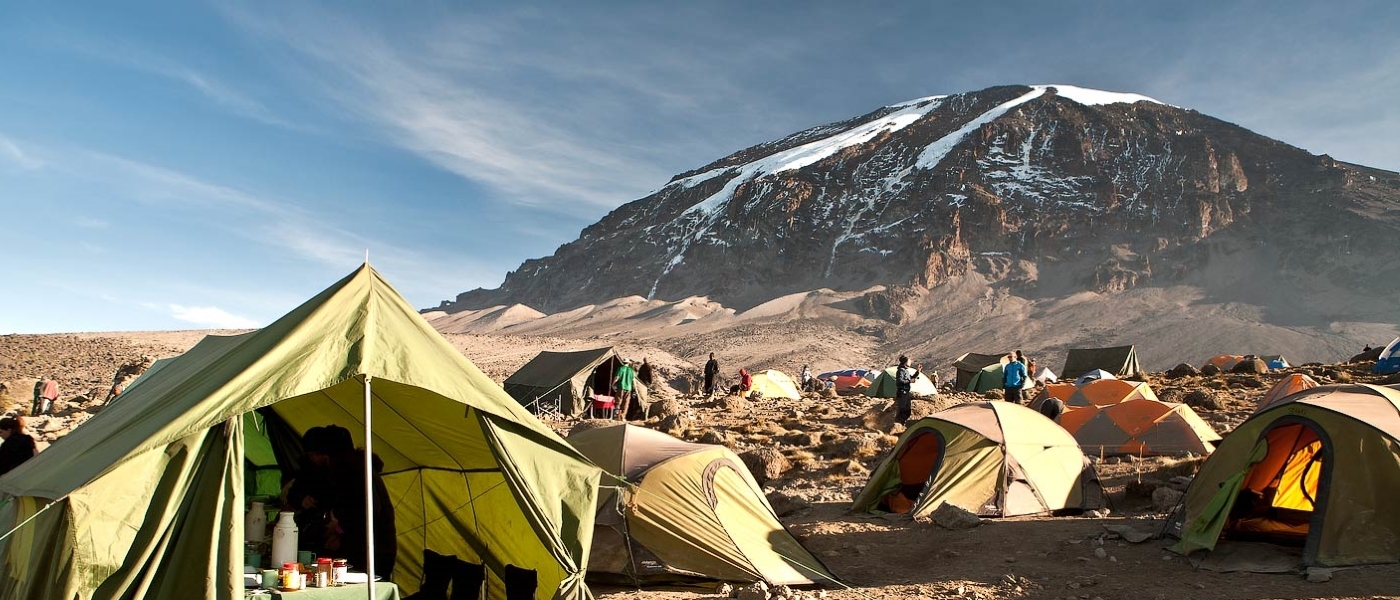
Established in 2003, the Kilimanjaro Responsible Trekking Organization (KRTO) is a legally registered Tanzanian Non-Governmental Organization.
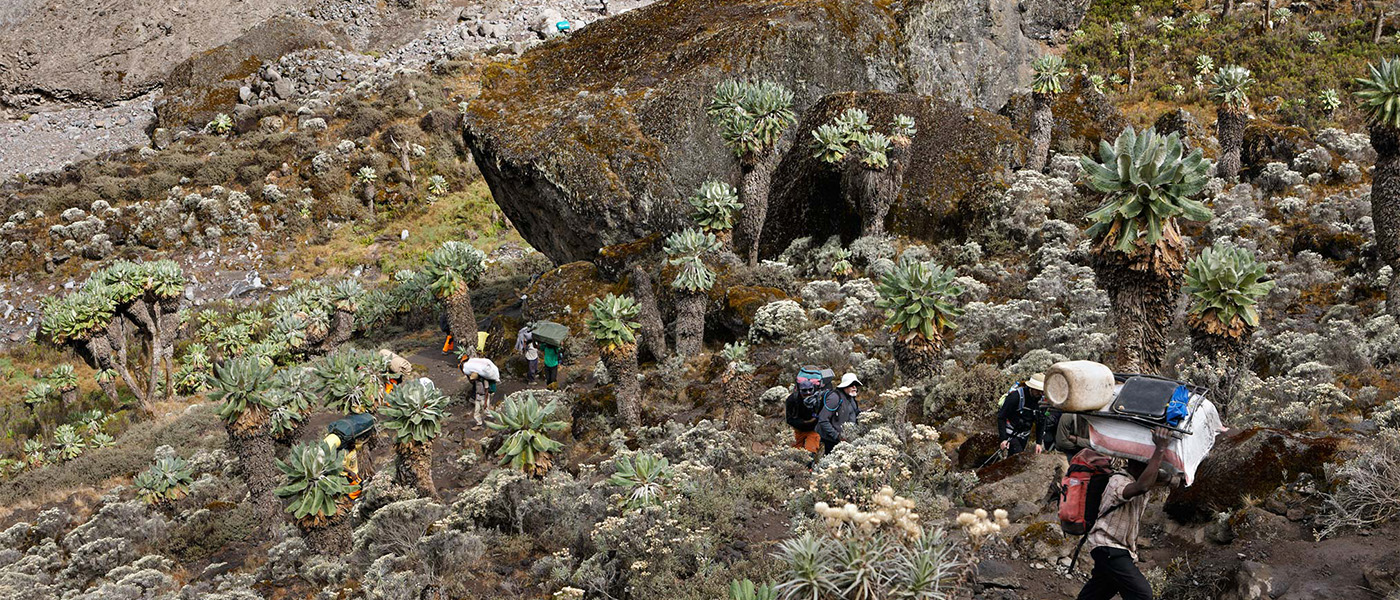
Our mission is to improve the working conditions of the porters on Kilimanjaro by promoting socially-responsible Kilimanjaro climbs.
KRTO raises public awareness regarding the proper treatment of porters on Kilimanjaro, assists climbing companies with implementing procedures that ensure fair and ethical treatment of their porters, lends climbing gear free of charge, and offers educational classes to empower and motivate porters and mountain crew.
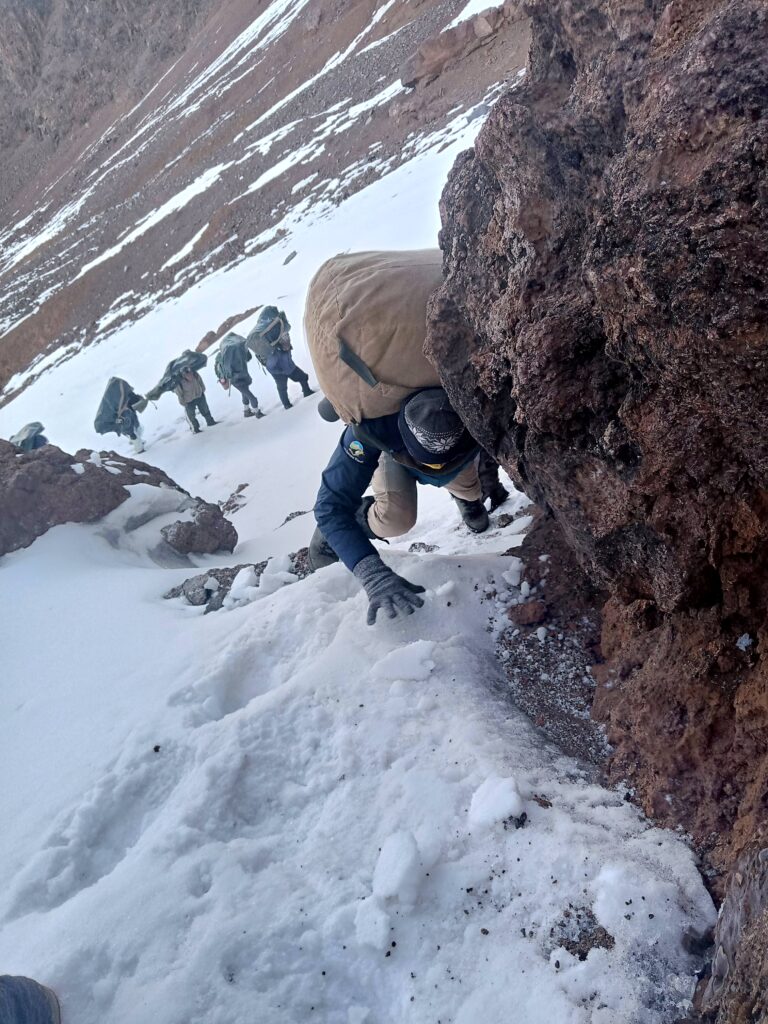
Whether you are a climber, local tour operator, travel agent, charity group, porter, cook or guide, the Kilimanjaro Responsible Trekking Organization needs your assistance to advocate for and safeguard the fair and ethical treatment of all porters.
KRTO is not a porter membership organization, or a tour operating business, and we do not collect any fees from porters or climbing companies. KRTO is a registered Tanzanian Non Governmental Organization. KRTO has many projects. One of the best know projects is KPAP: Kilimanjaro Porter Assistant Project.
LATEST NEWS
-
Announcing ATTA for Action partnership
🎉 Exciting News from Kilimanjaro Responsible Trekking Organization, International Mountain Explorers Connection and the Kilimanjaro Porters Assistance Project! 🎉 We are thrilled to announce our new partnership with the Africa Travel and Tourism Association (ATTA) as an Action Partner! This partnership marks a significant step forward in our journey towards creating a more equitable and…
-
CLOTHING DONATION – BRING SOME MORE TO KILIMANJARO
Clothing donations are accepted to support our free clothing lending program for the mountain crew. Any gear that you would wear during your mountain trek is needed. Due to the expensive mailing costs, and import taxes in Tanzania, it is best to have the gear carried by individuals who are traveling to Tanzania and have additional…